Hisense UR8 RGB MiniLED TV Review: A Masterclass in Brightness and Future-Proof Gaming

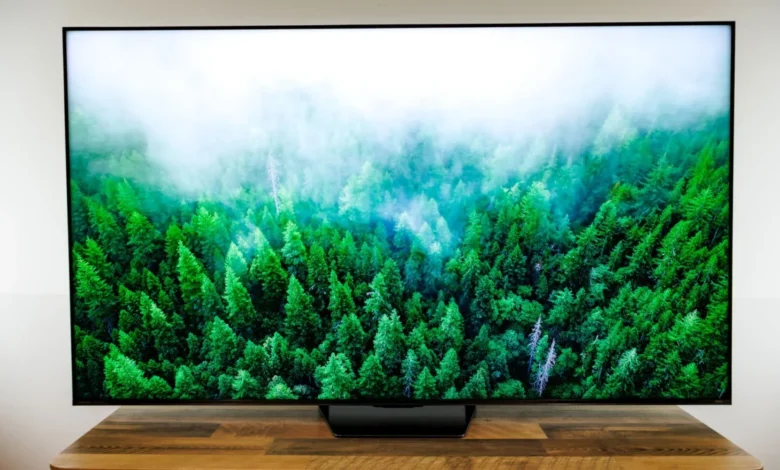
The consumer television market has long been dominated by incremental upgrades to traditional white or blue LED backlights, but manufacturers are continuously searching for the next frontier in visual fidelity. Enter the Hisense UR8, a high-end display that represents a significant leap forward by anchoring its performance on advanced RGB mini-LED technology. Sitting comfortably below Hisense’s flagship UR9 lineup while outperforming standard models like the U7 and U8 series, the UR8 aims to redefine what home theater enthusiasts and hardcore gamers can expect from an LCD television. Available in sizes ranging from 55 to 100 inches, the 75-inch model—designated commercially as the 75UR8SG—commands a list price of $2,499.99, though frequent retail promotions frequently drive the street price down closer to the $1,600 to $1,900 bracket.
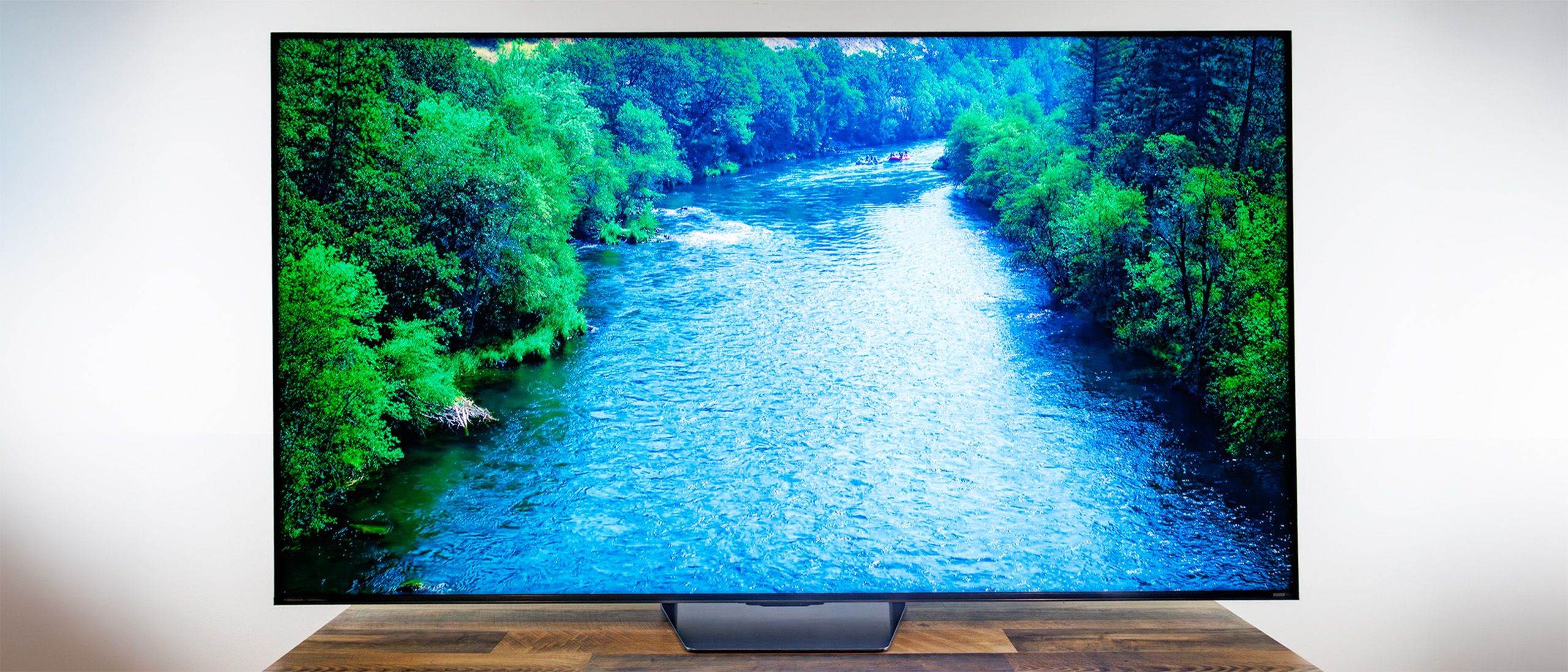
The Evolution of RGB Mini-LED Technology
For several years, Hisense has steadily built a reputation for producing high-brightness panels with vibrant color reproduction. The UR8 continues this trajectory by adopting a dense array of red, green, and blue LEDs for its backlight architecture. Unlike conventional displays that feed white or blue LED arrays through color filters and liquid crystal pixels, the RGB approach allows for a purer, more direct generation of primary colors at the backlight level.
Implementing RGB mini-LED technology is notoriously difficult and cost-prohibitive, which is why it has historically been restricted to ultra-premium tier models. However, the engineering team behind the UR8 has successfully tamed the complexity, delivering exceptional luminance, particularly during high-dynamic-range (HDR) playback. This technological shift provides a glimpse into the future of liquid crystal displays, offering deep black levels that rival organic light-emitting diode (OLED) technology while maintaining the staggering peak brightness levels that only robust LED backlights can achieve.
Design, Build Quality, and Connectivity
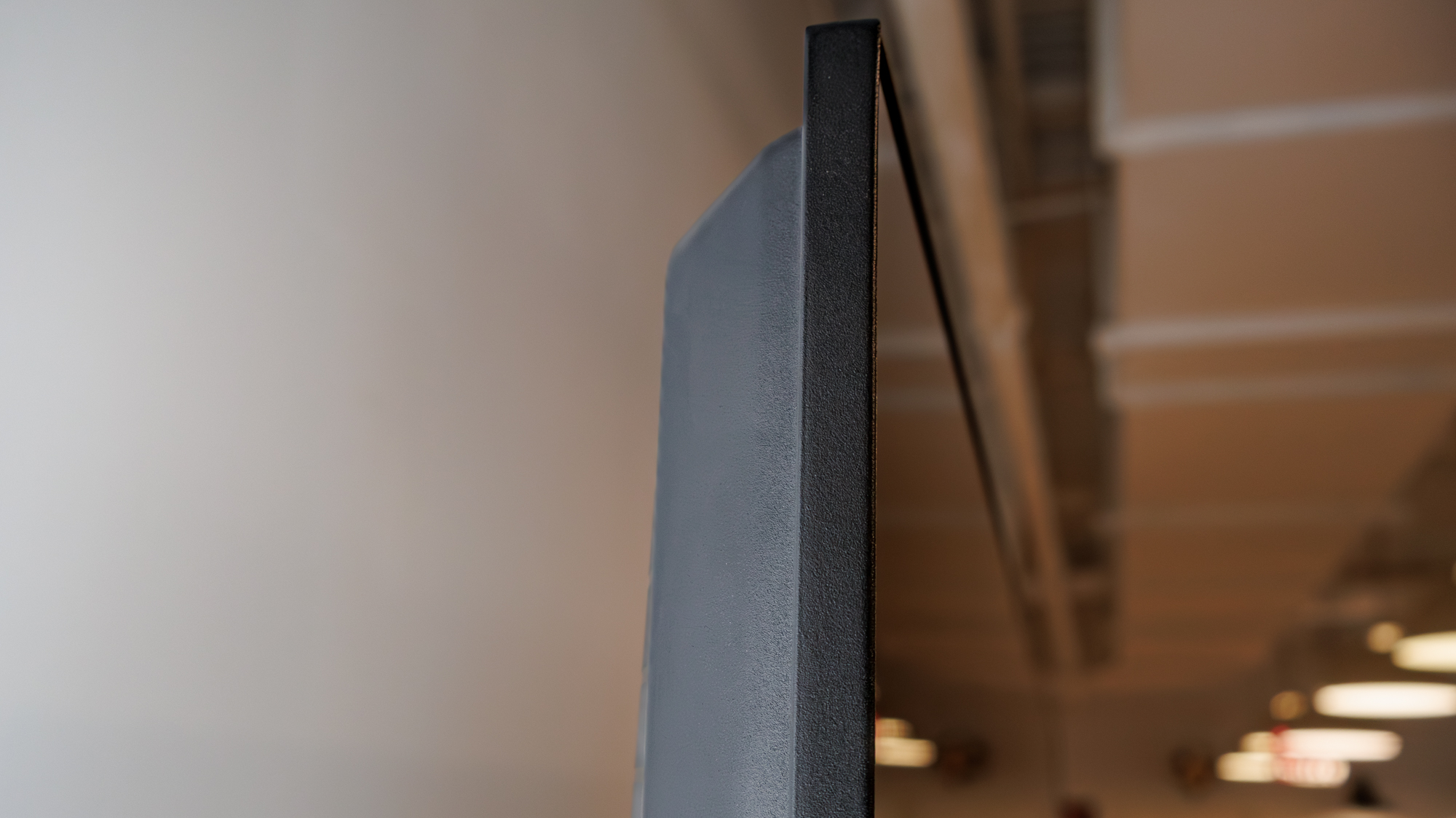
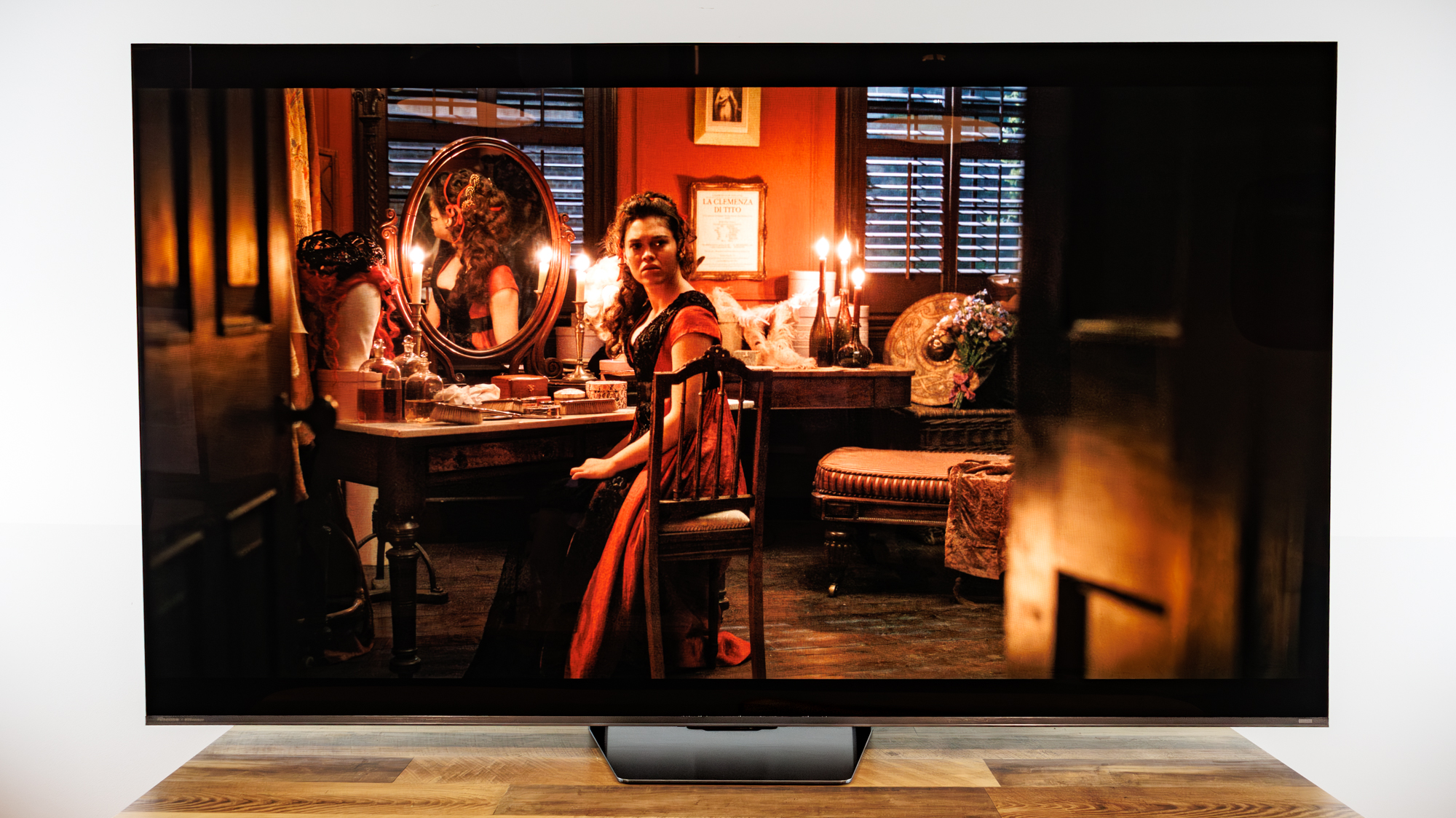
Upon unboxing the 75-inch Hisense UR8, users will immediately notice a distinct aesthetic choice. The chassis departs from the ultra-slim, minimalist black bezels favored by many contemporary competitors. Instead, the UR8 features a robust, silvery brushed-metal frame. Branding is subtly integrated into the lower corners, with the left bezel displaying "Hisense / RGB MiniLED" and the right bearing the inscription "TUNED BY DEVIALET," nodding to the acoustic partnership behind the television’s sound system.
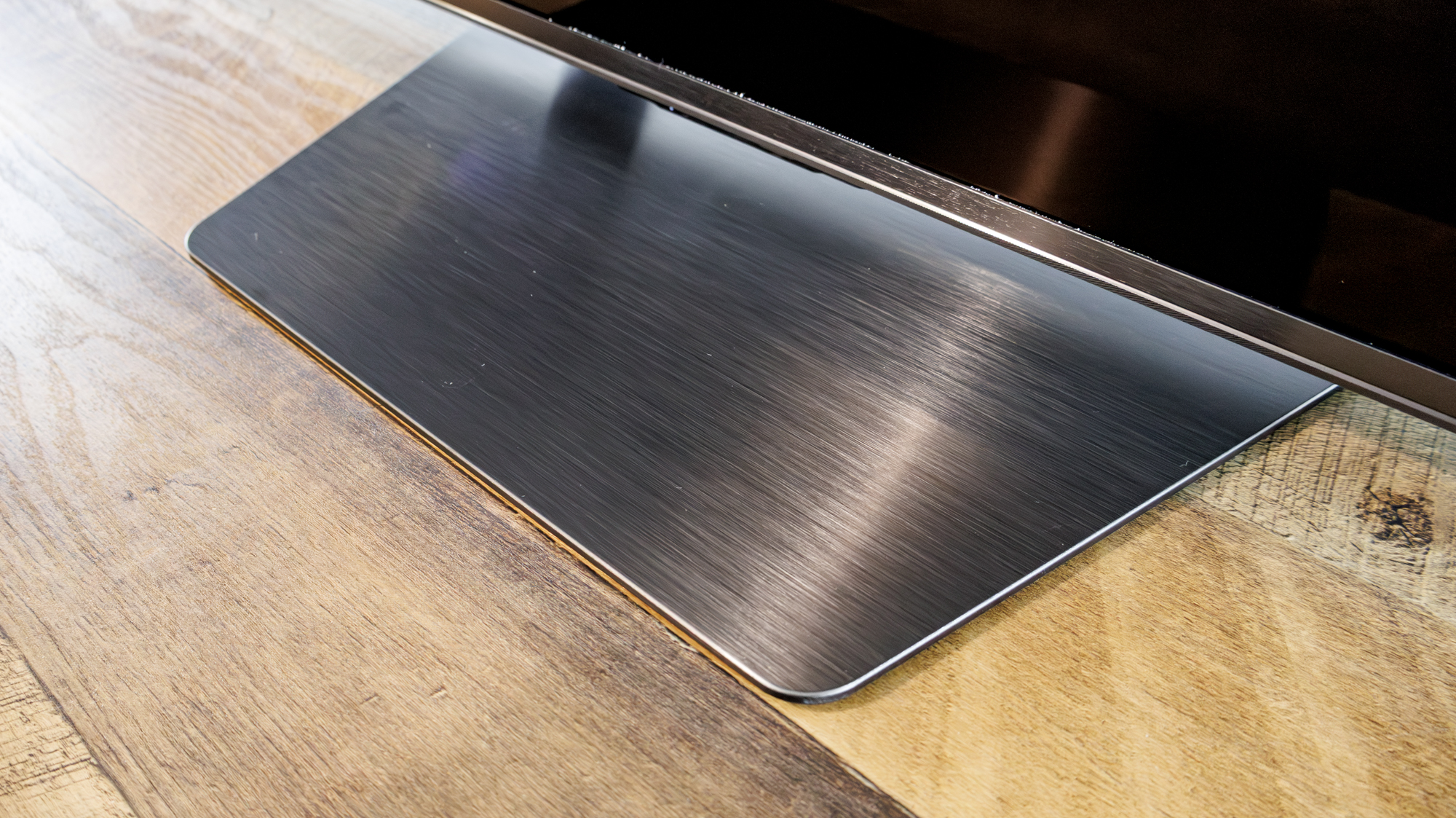
Measuring 65.7 by 2.3 by 37.9 inches without its stand and weighing 66.6 pounds, the television possesses a reassuring heft. It rests securely on a large central pedestal matching the brushed-metal finish of the bezel, though wall mounting is fully supported via a standard VESA 400x400mm configuration.
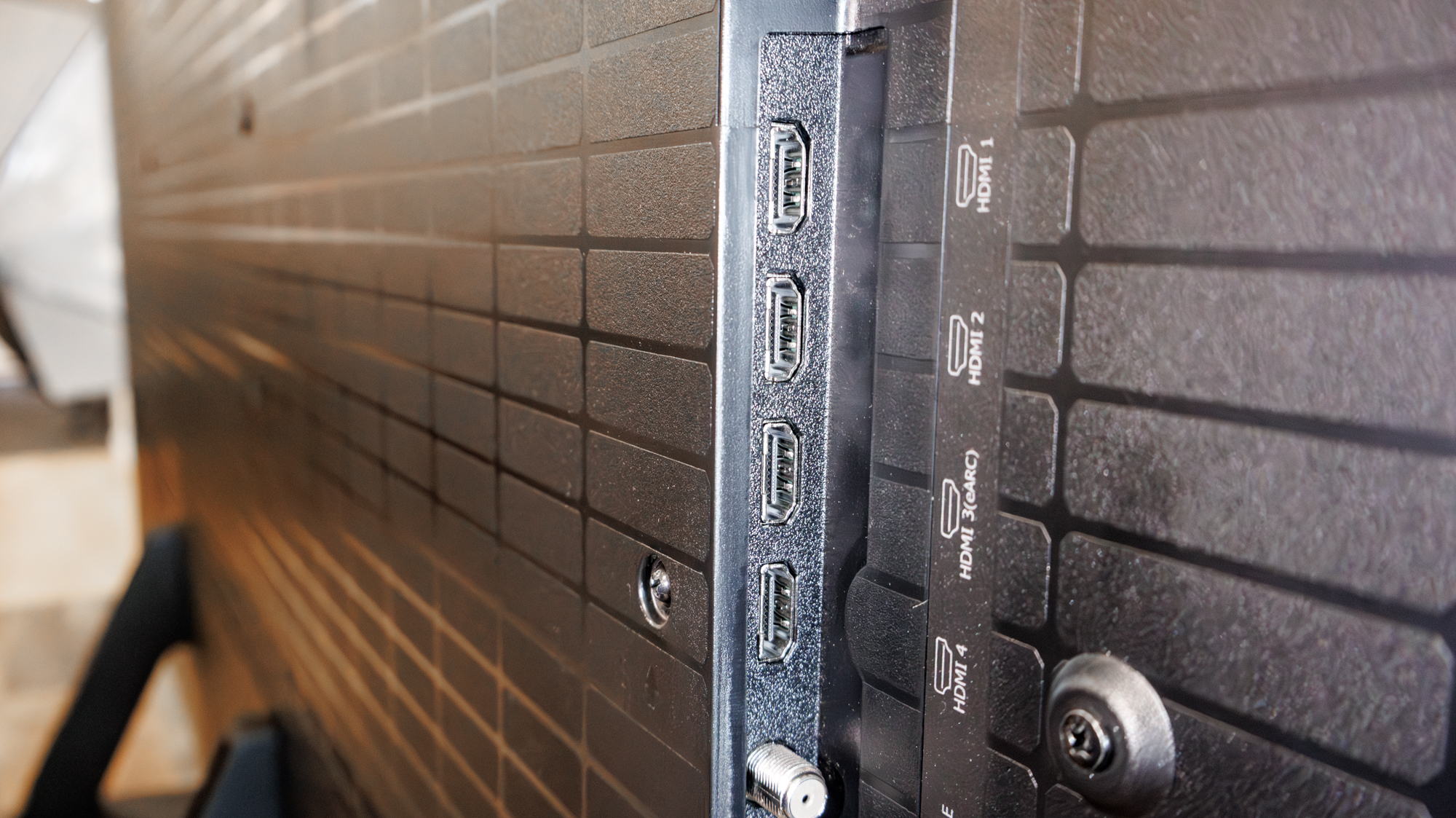
Connectivity options on the UR8 are robust and future-proof. The set includes four HDMI 2.1 ports capable of handling full 4K video signals at the panel’s native 180Hz refresh rate. While consumer gaming consoles typically cap output at 120Hz, the inclusion of 180Hz support—and the capability to scale up to 330Hz at 1080p—positions the television as an ideal companion for high-end gaming PCs equipped with advanced graphics cards. Furthermore, one HDMI port supports eARC for seamless uncompressed audio transmission to compatible soundbars and home theater receivers. Additional inputs include dual USB ports, an optical digital audio output, a LAN port for wired networking, and an ATSC 3.0 tuner for NextGen TV broadcasts delivering over-the-air 4K and HDR signals.
Visual Performance and Real-World Testing
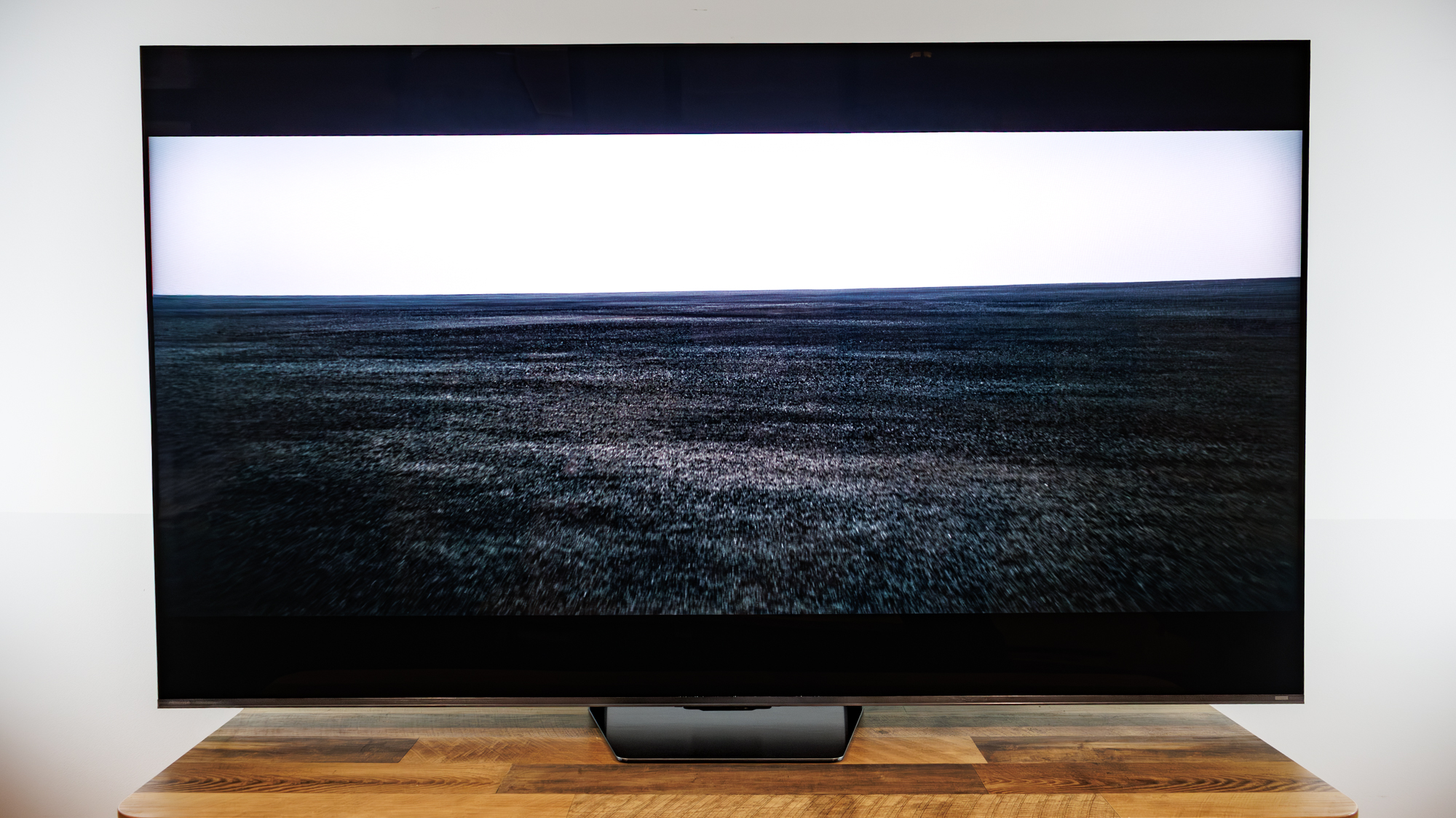
Evaluating the UR8’s performance reveals a display capable of handling demanding source material with remarkable composure. During dark, high-contrast sequences—such as the experimental jet test in Chapter 2 of Top Gun: Maverick—the television demonstrates exceptional control over light bleed and blooming. The interplay between the dark control room and the piercing brightness of cockpit displays highlights the effectiveness of Hisense’s proprietary "Ultra-Low Reflection Obsidian Panel." The manufacturer asserts that this specialized coating renders dark scenes up to three times darker while minimizing ambient room reflections, a claim largely substantiated during subjective viewing evaluations.
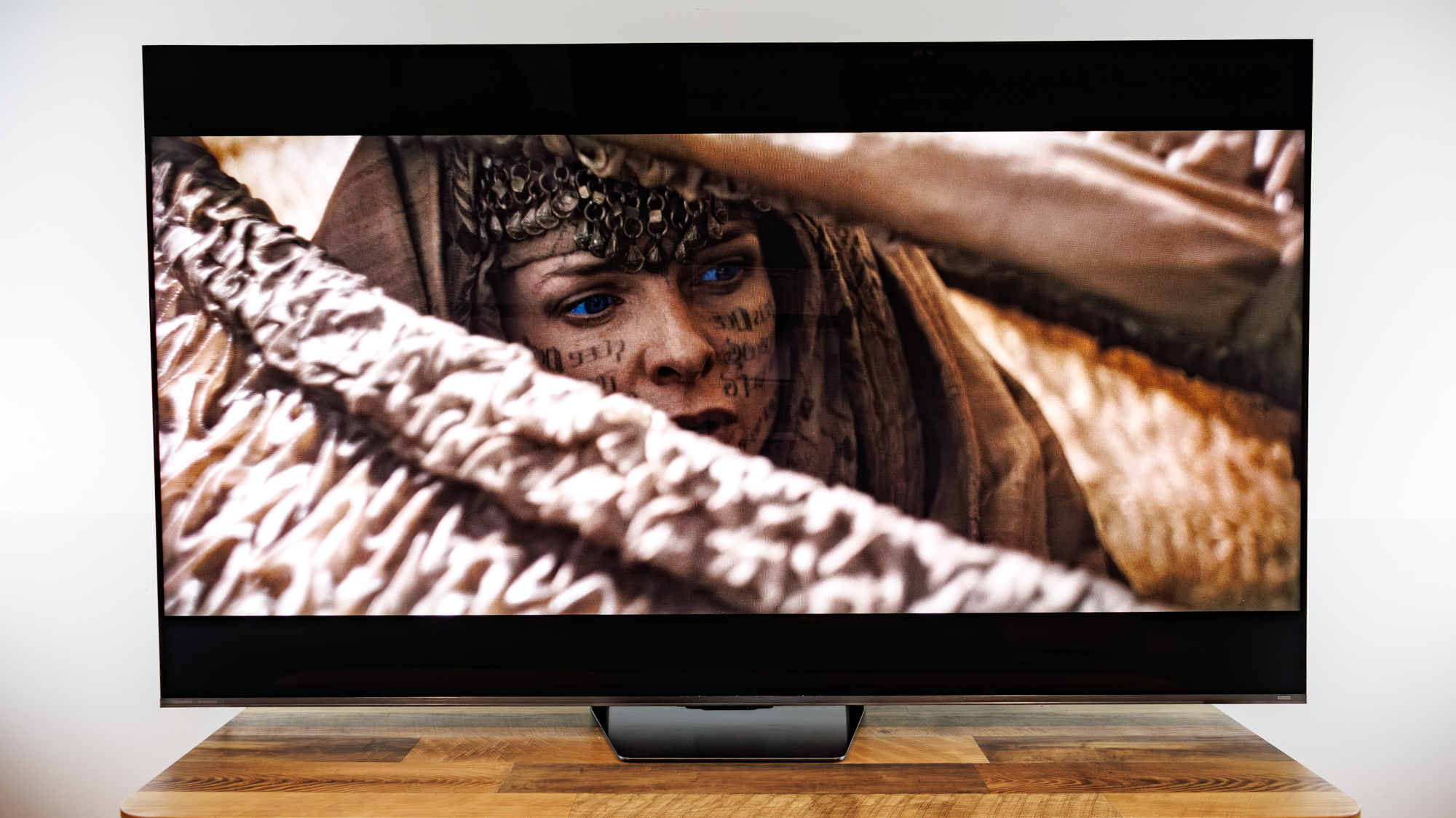
In cinematic tests involving Denis Villeneuve’s Dune: Part One, the UR8 effortlessly managed the shadowy interior scenes of Duke Leto’s quarters and the fiery nocturnal descent of Harkonnen warships. The television’s HDR capabilities ensured that facial features remained discernible amidst explosions of vibrant orange and deep blue.
Lab bench testing conducted using industry-standard equipment—including a Jeti spectroradiometer, a Klein colorimeter, and Calman calibration software—corroborated these subjective impressions. In Filmmaker mode, the 75UR8SG registered an astonishing HDR brightness measurement of 3,542.7 nits on a 10% window, far surpassing the industry average for large-format LCD panels. While standard dynamic range (SDR) brightness in Filmmaker mode measured a modest 197.6 nits, switching to default image presets yields a blistering 1,685.9 nits for brightly lit environments.
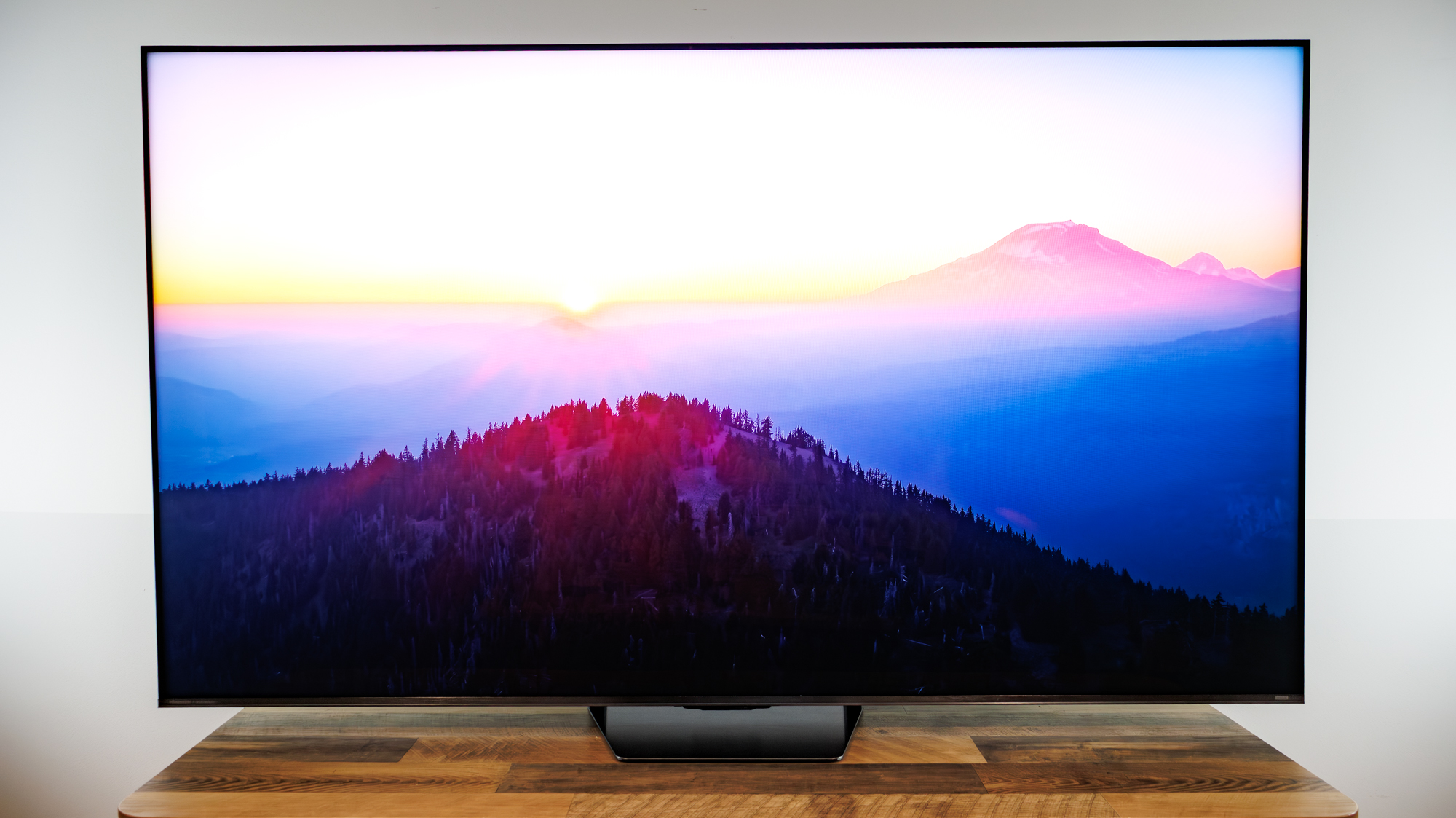
Color accuracy measurements presented an interesting dichotomy. The television’s Delta-E score of 4.80 indicated a variance between input signals and onscreen color that registers on professional lab instruments, yet this margin remains largely imperceptible to the human eye during casual viewing. More importantly, the UR8 obliterated color gamut benchmarks, capturing 95.04% of the expansive Rec. 2020 color space and an incredible 143.10% of the UHDA-P3 gamut. While current streaming and physical media formats do not yet fully saturate these expansive color boundaries, the performance underscores the immense capability of the RGB mini-LED backlight and ensures long-term relevancy as mastering techniques evolve.
Gaming Prowess and Input Latency
For video game enthusiasts, the Hisense UR8 is a formidable contender. Equipped with the company’s GameBooster features, the television supports variable refresh rates (VRR), Auto Low Latency Mode (ALLM), and comprehensive Dolby Vision Gaming compatibility.
When subjected to rigorous input lag testing using a Leo Bodnar signal generator, the 75-inch model registered a latency of just 12.0 milliseconds in Game Mode. While elite gaming monitors occasionally achieve single-digit response times below 10 milliseconds, a 12ms delay is entirely imperceptible to human reflexes. Titles tested on current-generation consoles, such as fast-paced action games rendered at 120Hz, displayed smoothly without stutter, tearing, or motion blur. PC gamers with hardware capable of pushing frames up to 180Hz or 330Hz will find the display more than capable of keeping pace with high-frame-rate demands.
Audio Engineering and Acoustic Performance
Built-in television speakers are frequently treated as an afterthought by manufacturers, but Hisense breaks this trend through its collaboration with French acoustic firm Devialet. The UR8 incorporates a 2.1.2-channel built-in audio system driven by 50 watts of total amplification. This configuration features traditional stereo drivers, a dedicated low-frequency woofer for handling deep bass impacts, and upward-firing height channels designed to decode spatial audio formats including Dolby Atmos and DTS Virtual:X.
In practical application, the audio system delivers surprising scale and clarity. During action sequences, the low-end woofer provides palpable weight to explosions and orchestral scores, while the height channels effectively create an overhead soundstage for environmental effects like helicopter rotors or rainfall. Users seeking an even more refined acoustic profile can shift the audio setting from the default Standard mode to Theater mode, which broadens the soundstage and enhances vocal clarity. While dedicated standalone soundbar systems or multi-channel home theater setups will always offer superior immersion, the UR8’s integrated speakers easily outperform the vast majority of flat-panel competitors on the market.
Smart TV Software, Interface, and Privacy Controls
The UR8 operates on Google TV, tightly integrated with Gemini voice control functionality. The user interface follows a content-forward layout, dedicating the upper portion of the home screen to a large promotional carousel, followed by personalized recommendations and a horizontal dock of installed applications. Gemini voice commands prove exceptionally responsive and accurate, capable of executing complex natural language queries—such as searching for films featuring specific combinations of actors across multiple streaming services.
For users who prefer a streamlined, ad-free aesthetic, Hisense includes an "Apps Only Mode." Accessible through the settings menu under Accounts & Profiles, this configuration strips away the algorithmic recommendations and promotional banners, replacing them with a clean, minimalist grid of application icons reminiscent of Roku’s operating system.
Furthermore, Hisense provides robust privacy controls, allowing users to granularly manage data collection permissions regarding location tracking, microphone access, diagnostics, and voice assistance. An explicit "Do Not Sell or Share My Personal Information" toggle is also accessible within the advanced system settings to address data privacy preferences.
Market Position and Final Verdict
The Hisense UR8 occupies a fascinating intersection of pioneering display technology and aggressive market pricing. Facing stiff competition from established rivals such as the TCL QM7L and QM8L, as well as Vizio’s quantum mini-LED lineup, the UR8 distinguishes itself through its innovative RGB mini-LED backlight architecture.
While its list price of approximately $2,500 places it in direct competition with premium television offerings, frequent retail discounts bring the cost down to a level that offers exceptional value for money. For consumers who can accommodate a 75-inch display—or those willing to opt for the slightly more affordable 65-inch variant—the Hisense UR8 delivers peerless HDR brightness, expansive color reproduction, robust audio capabilities, and future-proof gaming features that justify the investment. It stands as a compelling proof-of-concept for RGB mini-LED technology and a top-tier choice for home theater enthusiasts looking toward the future of display engineering.